This reflection looks at how physical tension and emotional wellbeing may be connected, and why it can be worth considering the body as one part of a person’s wider care.
Presentation
A woman attended for help with widespread pain sensitivity. Even light touch could feel uncomfortable, and the pain had been affecting her daily life for some time.
As sessions went on, she shared that she had also lived with long-standing emotional distress for many years. She was under the care of her GP and mental health team, and she continued with that care throughout. Her emotional wellbeing was not the reason she attended, and it was not the focus of the sessions.
Assessment
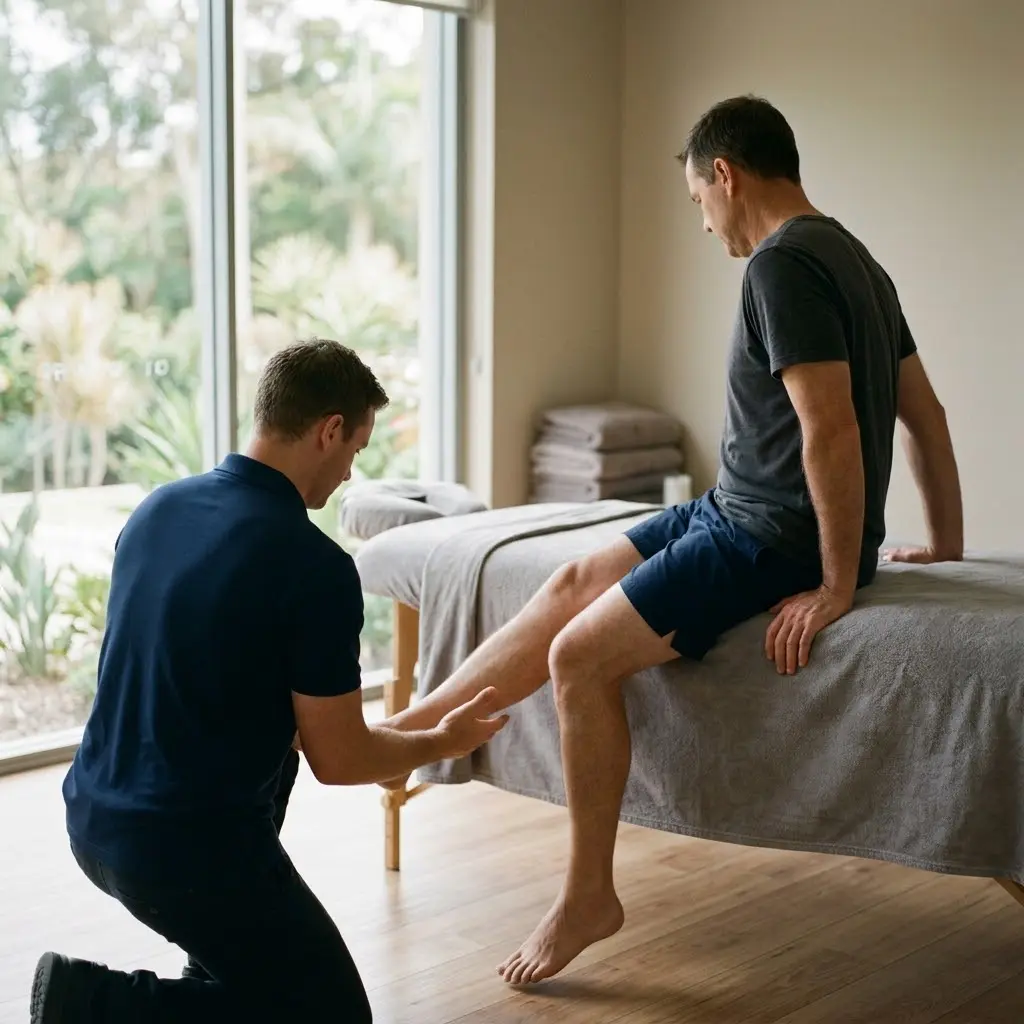
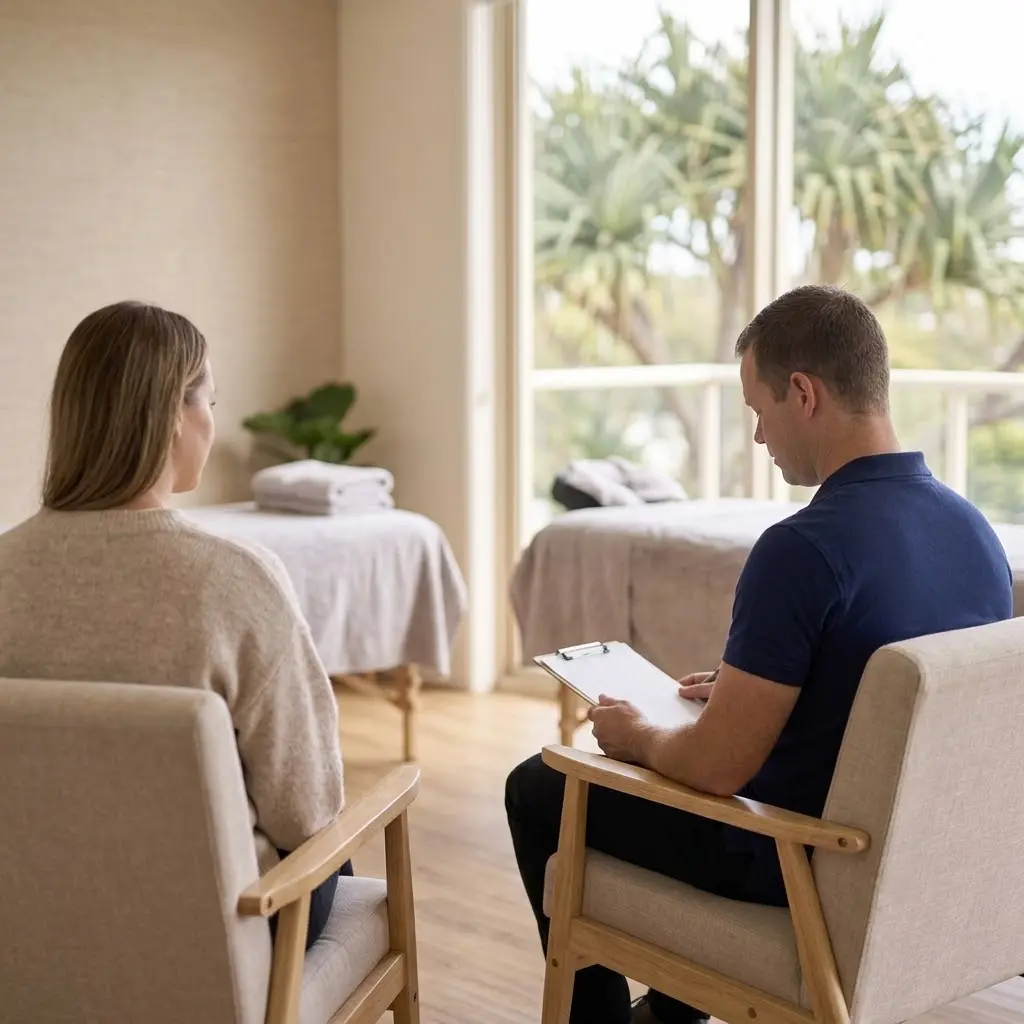
Assessment showed widespread soft tissue tension, particularly through the back and around the spine, along with a guarded, protective way of moving. She found it difficult to relax into the table during hands-on work.
Approach
Sessions were spaced several months apart. Care focused on her physical presentation and included:
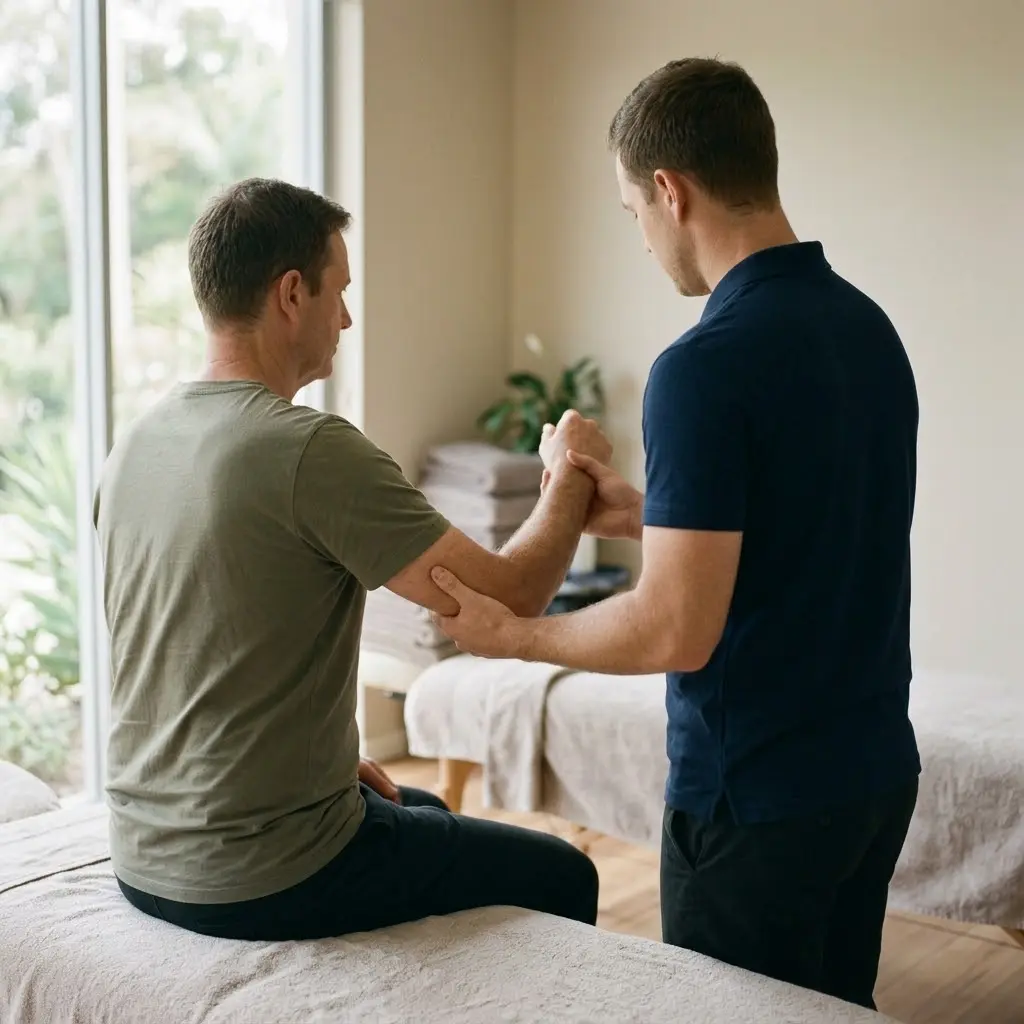
- Gentle hands-on care, starting with very light pressure and building only as she was comfortable
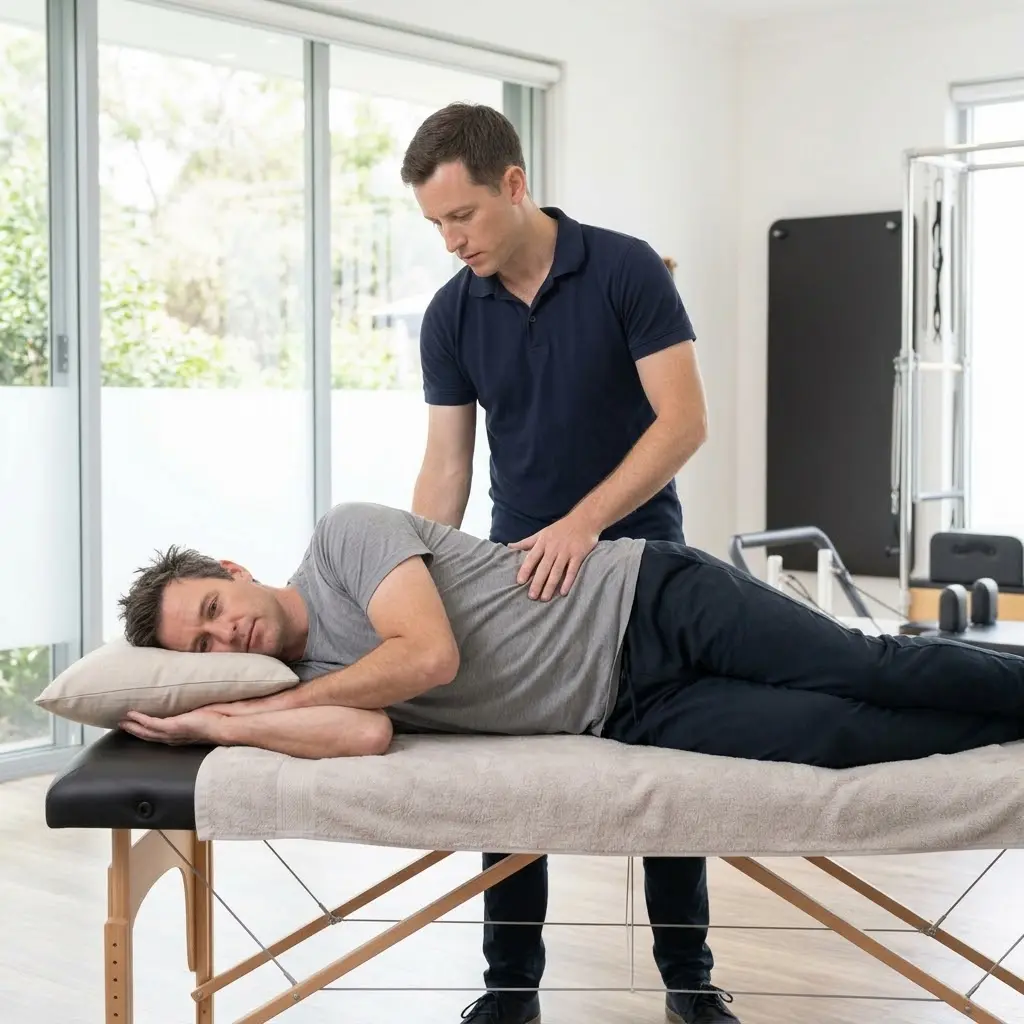
- Work on soft tissue tension through the back and around the spine
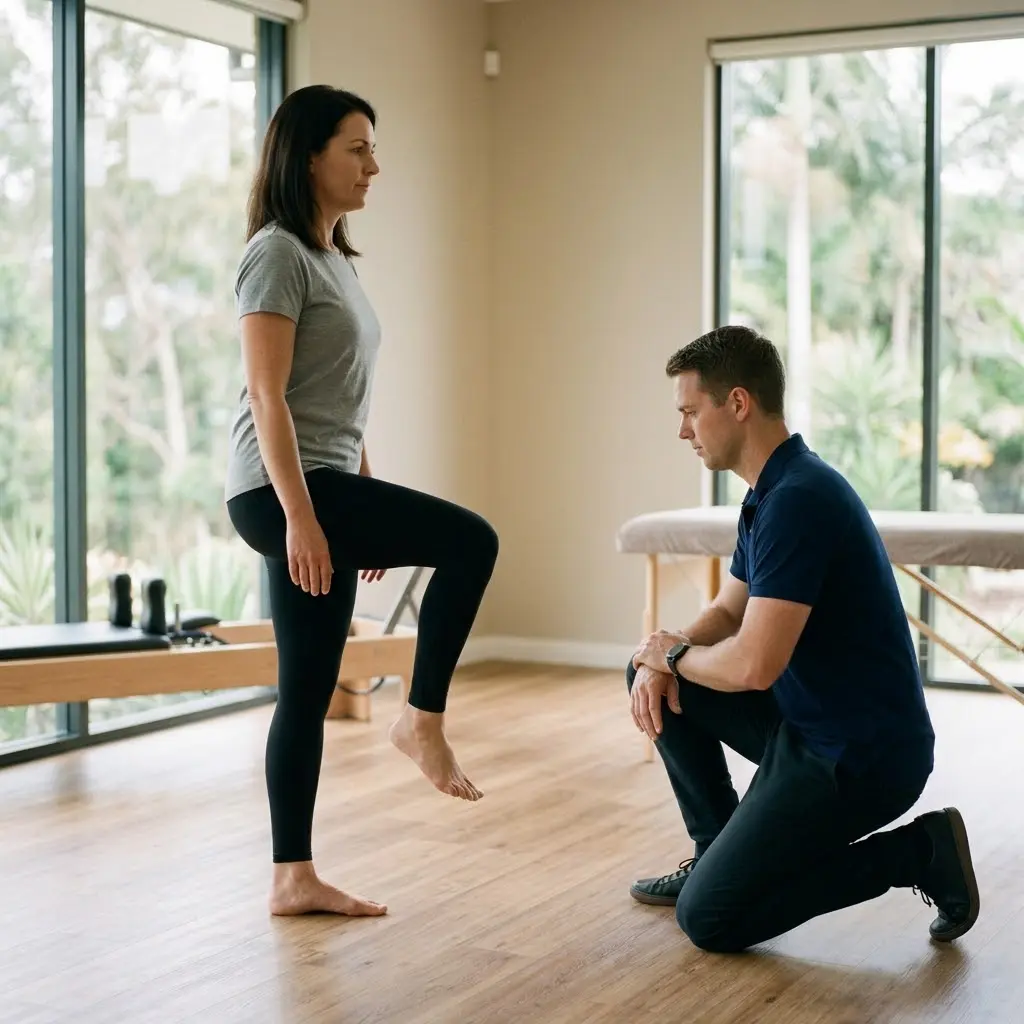
- Simple breathing and movement activities to help her feel more at ease in her body
What the client reported
At a follow-up some months later, she reported having more energy and a more positive outlook during that period. She raised this herself, as it was not something the sessions had aimed to change.
These changes were reported by the client. Many things can influence how a person feels over several months, including the care of her GP and mental health team, and it is not possible to say what contributed to them.
Physical tension and emotional wellbeing
Over many years of practice, I have occasionally noticed that people living with long-standing emotional distress also carry a great deal of physical tension, especially through the back and around the spine. The relationship between the two is not fully understood, and it is likely to work in both directions.
For some people, feeling more comfortable in their body may be one small part of feeling better overall. This is not a replacement for mental health care. Rather, it is a reminder that the body and mind are part of the same person, and that physical care may sit alongside psychological and medical support as one piece of a wider picture.
Reflection on physical tension and emotional wellbeing
Remedial therapists sometimes hear about difficult experiences that sit well outside their scope. When that happens, the most important things are to listen respectfully, keep the person’s existing care at the centre, and refer on when needed.
This case was a reminder that looking at physical tension and emotional wellbeing together, with each person’s own health team leading their mental health care, may offer another useful way of thinking about how someone feels.
- Lifeline: 13 11 14 (24/7)
- Beyond Blue: 1300 22 4636
- Emergency: 000
Related case reflections
- Case 19: Unexplained Limb Weakness and Breathing Restriction
- Case 23: Unexplained Leg Pain in a 12-Year-Old
- Browse all case reflections