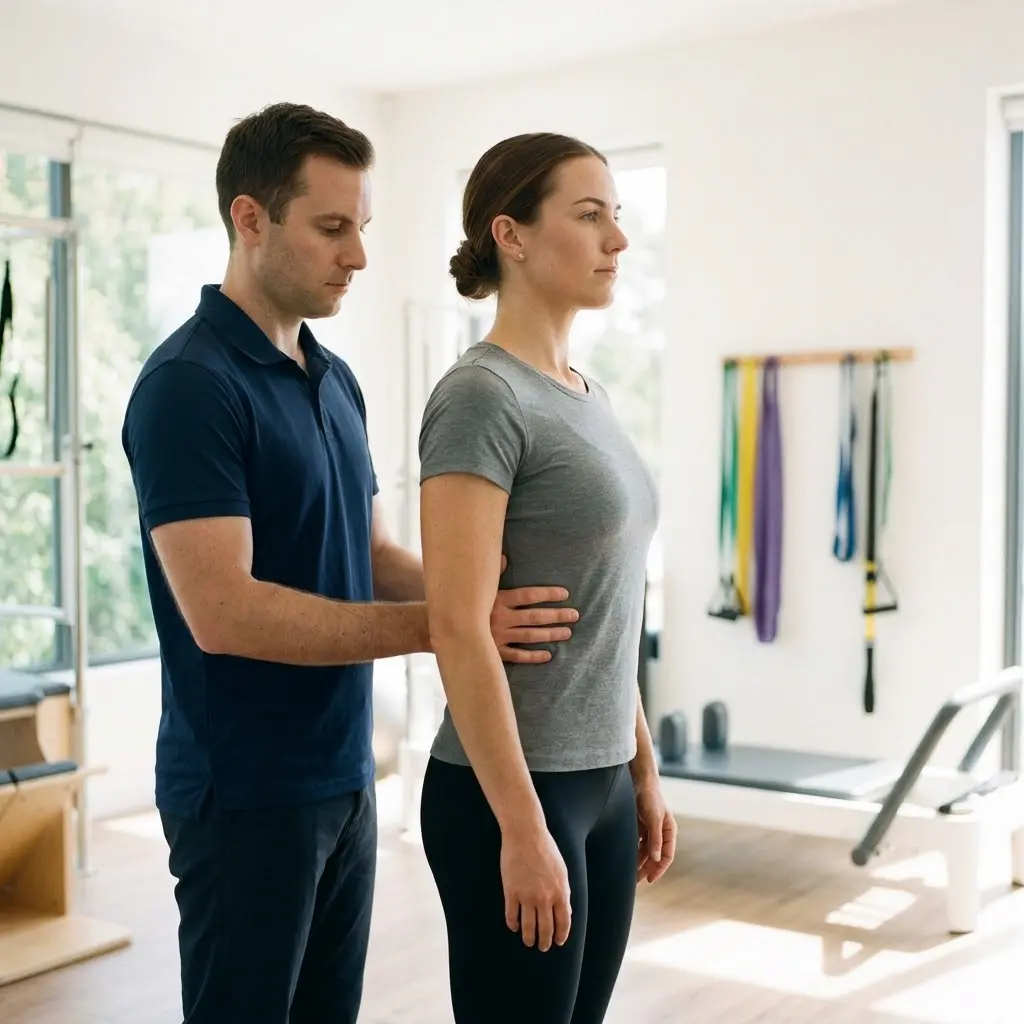
Presentation
A client presented with persistent back pain six months after a serious car accident. They had spent the months since then in a long hospital and rehabilitation recovery. The back pain felt unusual to them and hadn’t been explained.
Assessment
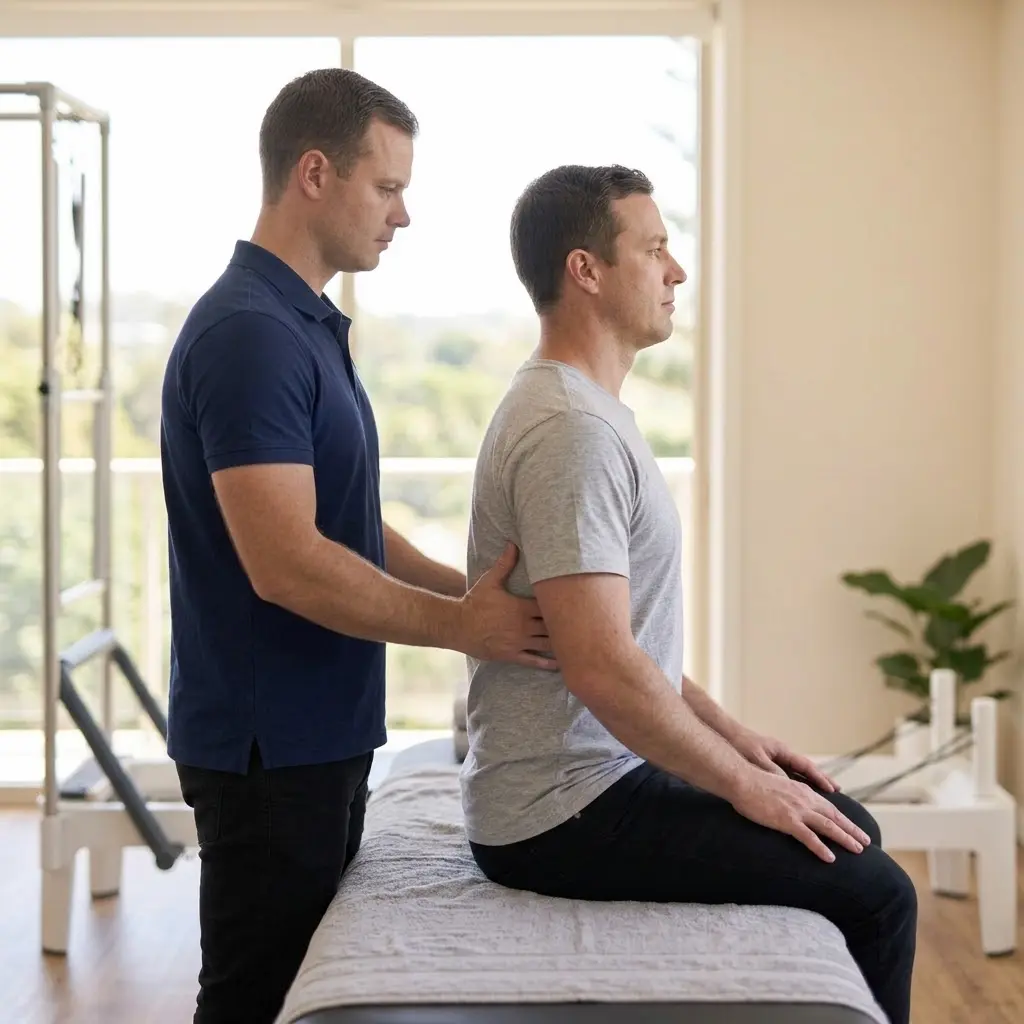
Their breathing pattern appeared irregular, and movement of the lower ribs on the left side seemed restricted during breathing out. Given their history and these breathing observations, they were advised to see their medical team for further review.
Approach
Alongside that medical follow-up, sessions focused on breathing mechanics and rib mobility.
What was observed and reported
Their breathing pattern appeared steadier over the sessions, and they reported that the back pain had eased.
Reflection
After major trauma, pain doesn’t always show up where you’d expect. This case is a reminder that breathing and rib movement can be worth including in a movement assessment when back pain is persistent and unexplained.
Any change in breathing after an accident or injury must be assessed by a doctor first. Seek urgent care for shortness of breath, chest pain or coughing up blood.