This case looks at widespread aches and pains in the upper body, and how physical discomfort and day-to-day energy can sometimes appear together.
Presentation
A middle-aged man attended his first session with long-standing aches and pains through his shoulders, elbows and wrists. He also described a long period of low mood and low energy.
At the first session, he appeared very tired and quiet, and spoke little. His discomfort had been affecting his daily activities at home for some time.
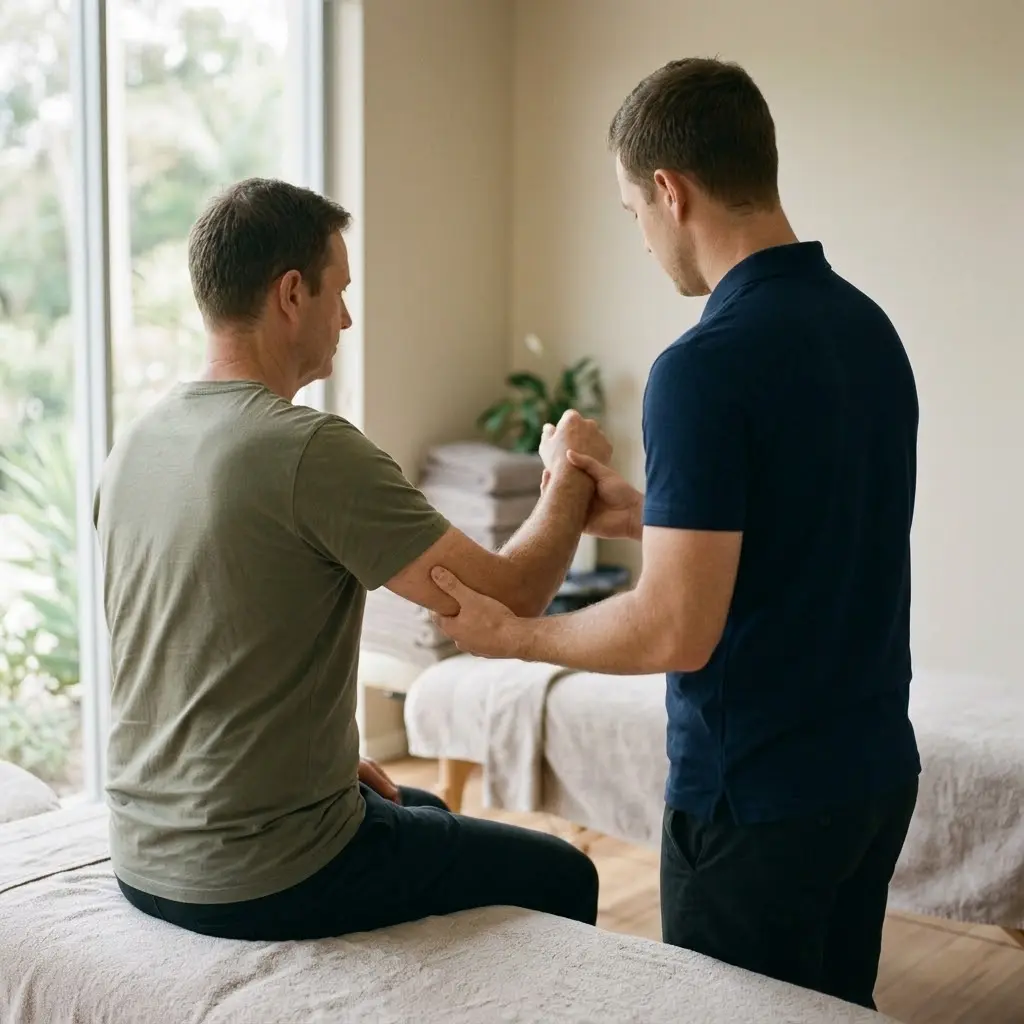
Assessing widespread aches and pains
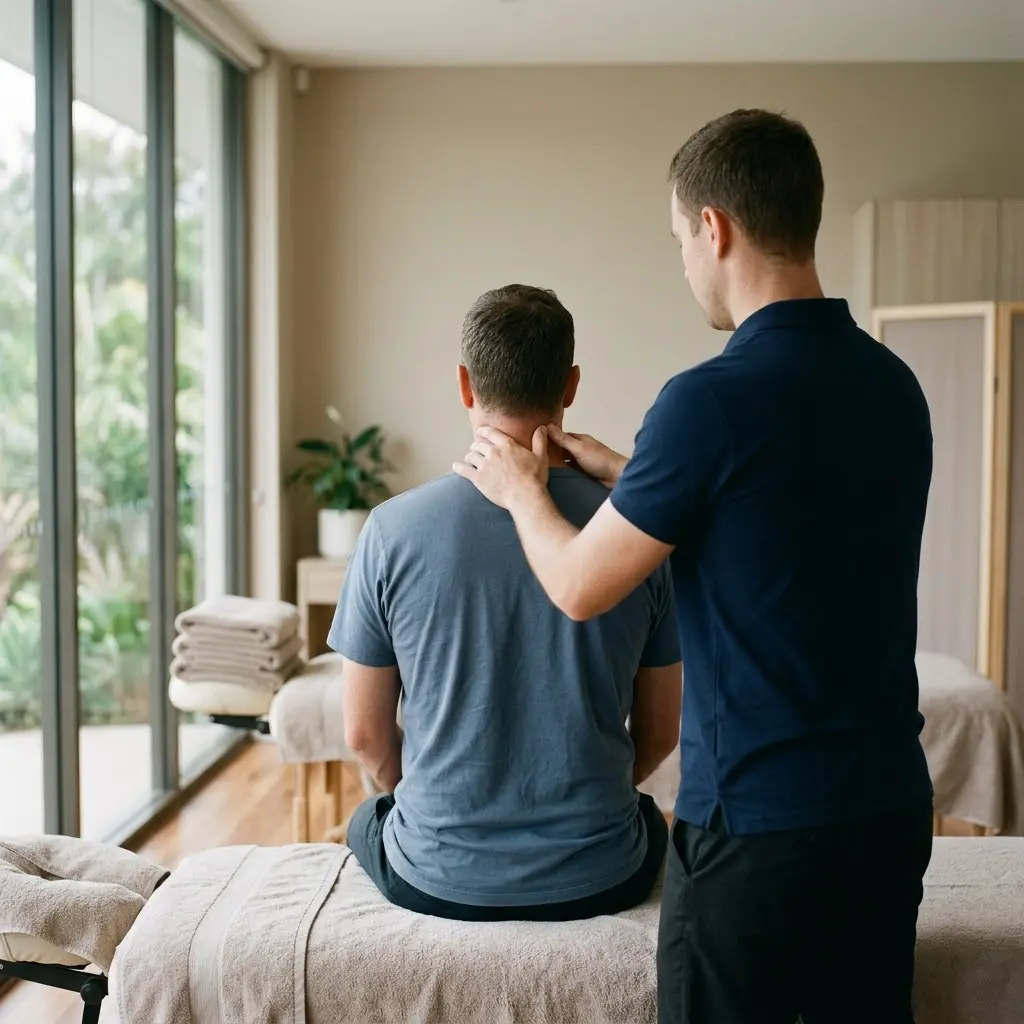
Assessment showed reduced movement through his spine, particularly the upper back, along with tension through the shoulders and arms. The way he used his arms during everyday movements suggested his shoulders, elbows and wrists may have been taking on extra load.
Approach
The first session focused on his physical presentation and included:
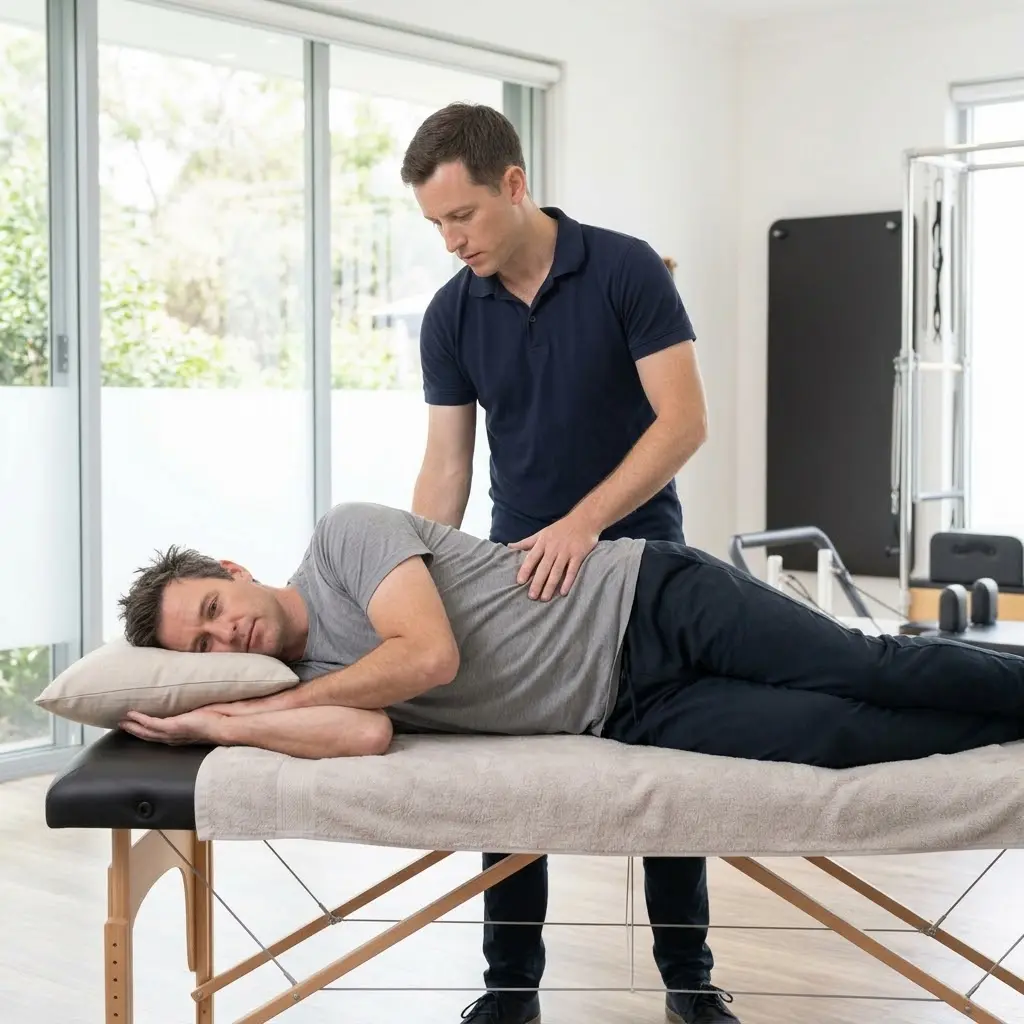
- Hands-on care for the upper back and spine
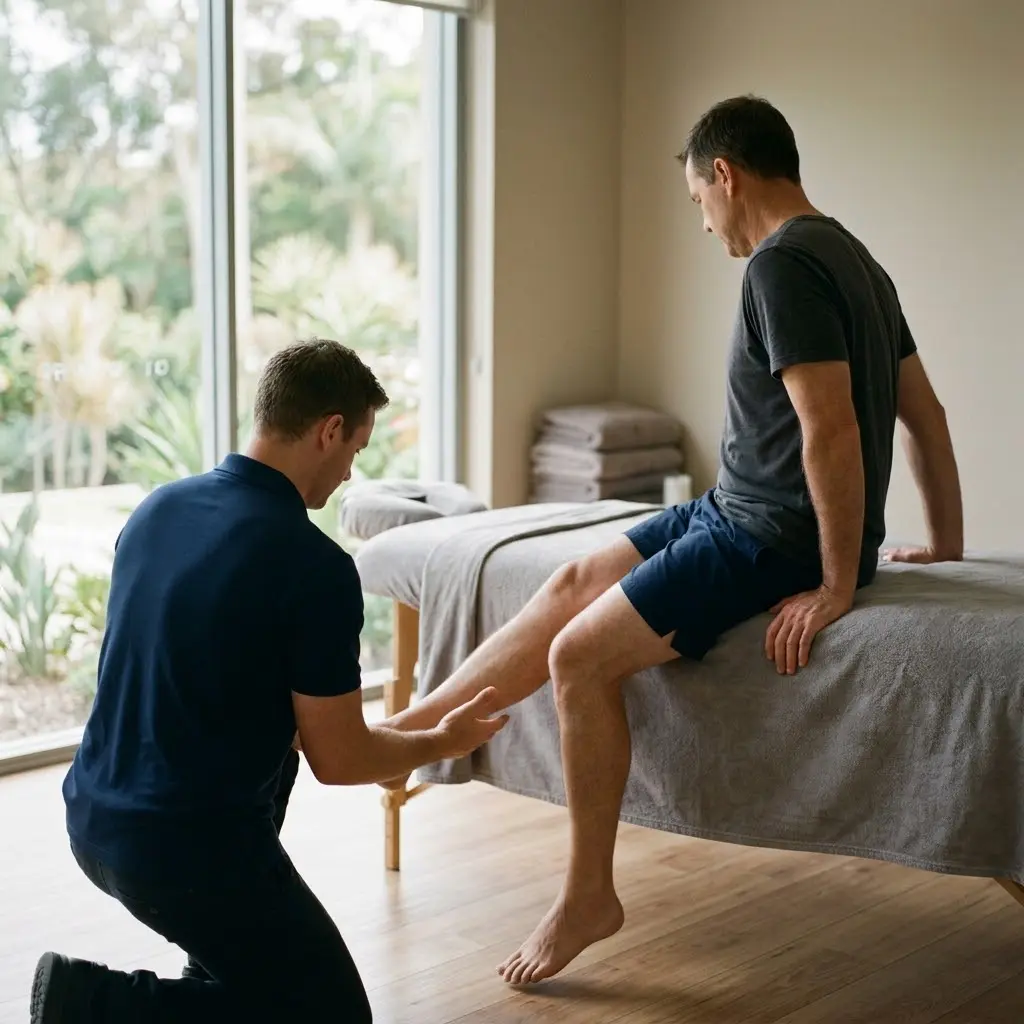
- Work on the muscles around the shoulders, elbows and wrists
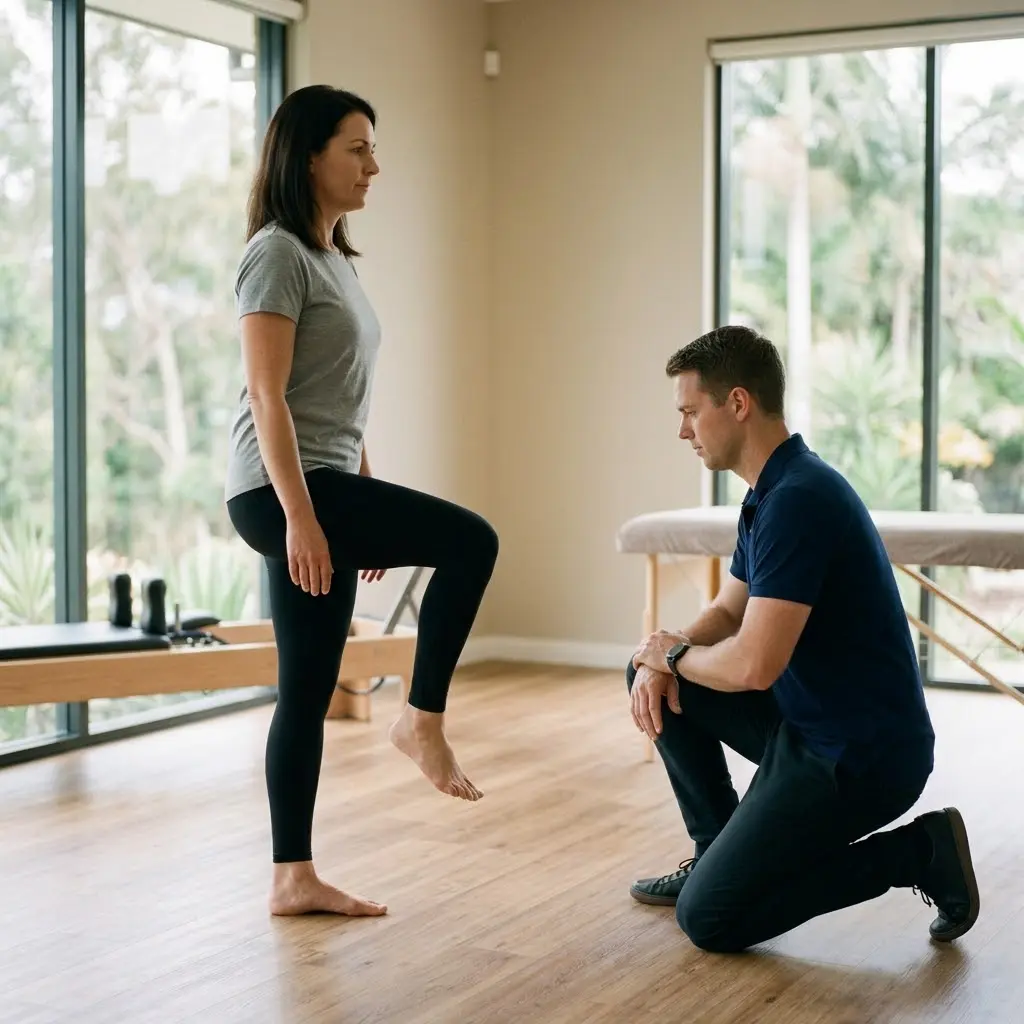
- Simple movement activities to help share load more evenly through the upper body
What was reported and observed
About a week later, his wife reported that he had been sleeping better and his hand pain had eased. She also said he had been more involved at home and in daily activities.
At his second session, he appeared more alert, sat more upright and was more talkative, sharing more about his week than at the first visit.
These were early observations over a short period. Many things can affect sleep, energy and mood from week to week, and it is not possible to say what contributed to these changes.
How physical discomfort and energy may be connected
Widespread aches and pains can be tiring to live with. Ongoing discomfort can affect sleep, and poor sleep can in turn affect energy, mood and how much a person feels like doing. These factors often overlap, and the relationship between them is complex.
For some people, feeling more physically comfortable may be one small part of feeling better overall. Physical care is not a treatment for low mood or depression, but it can sit alongside medical and mental health support as one piece of a wider picture.
Reflection on widespread aches and pains
This case was a reminder that widespread aches and pains rarely exist on their own. Paying attention to how someone presents, and listening to what their family notices, can help build a fuller picture of how they are going.
Anyone with long-standing pain, ongoing low mood or low energy should talk with their GP, who can look at the full picture, including any medical causes, and refer on where needed. Movement-based care can then sit alongside their medical guidance.
- Beyond Blue: 1300 22 4636
- Lifeline: 13 11 14 (24/7)
Related case reflections
- Case 12: Neck Pain and Sleep
- Case 15: Physical Tension and Emotional Wellbeing
- Browse all case reflections